
Zinc (Zn) is an essential trace mineral involved in over 300 enzymatic reactions in mammalian physiology. It plays a critical role in nucleic acid metabolism, protein synthesis, cell replication, and the structural integrity of biological membranes. In cattle, zinc is indispensable for immune function, reproductive performance, dermal integrity, and growth regulation.
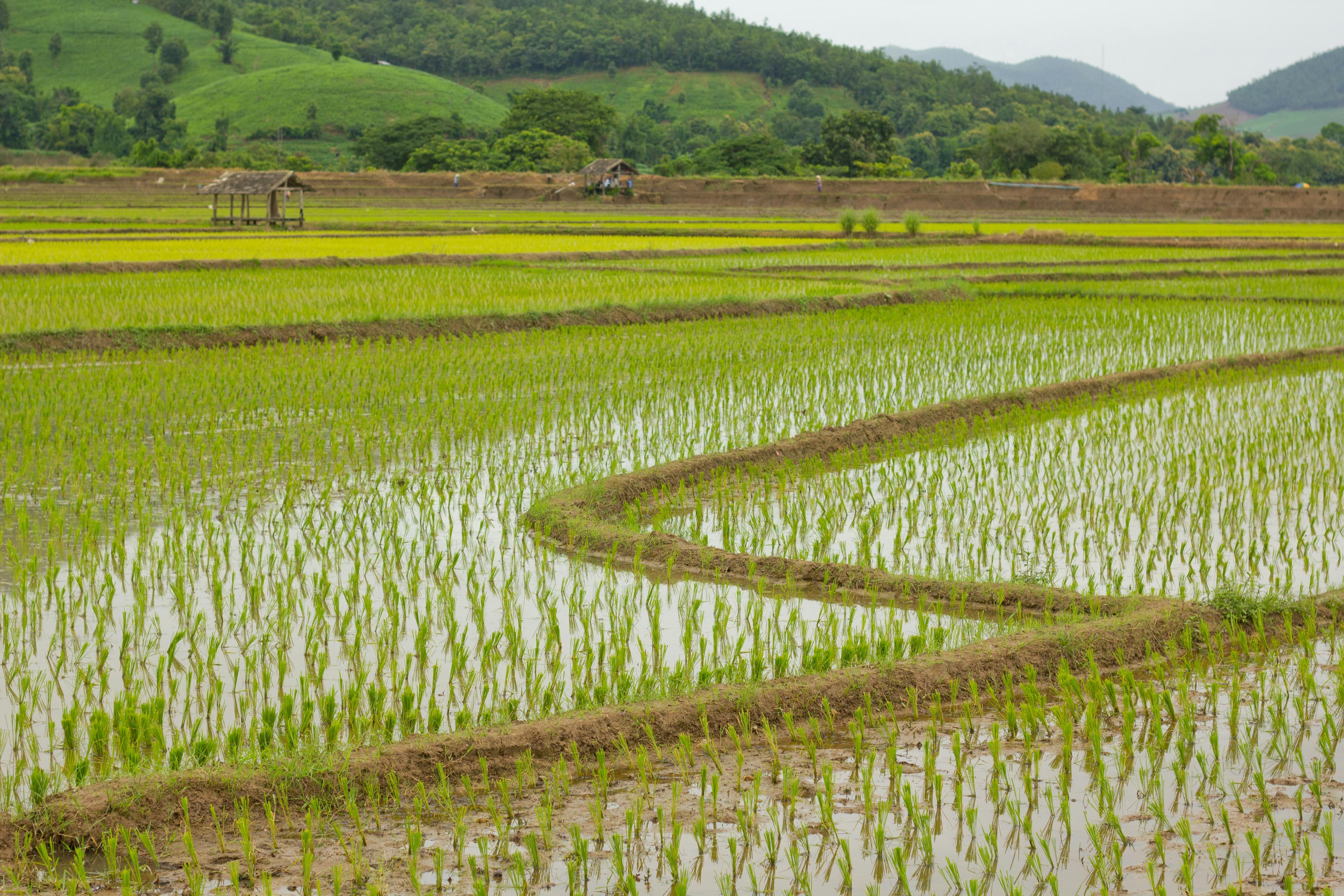
Despite its physiological importance, zinc deficiency — both absolute and conditioned — remains one of the most prevalent and underappreciated micronutrient disorders in Bangladesh's livestock sector. Soils in many districts of Bangladesh, particularly in low-lying floodplain regions, are characteristically low in plant-available zinc. This translates directly into zinc-depleted forages and feedstuffs, creating a chronic dietary shortfall that standard ration formulations frequently fail to address.
Compounding this, several dietary antagonists common in Bangladeshi cattle diets — including high calcium, high phytate, and excess iron from flood-affected water sources — further suppress zinc absorption through competitive inhibition at intestinal transporters (ZIP4 and ZnT5), reducing bioavailability even when dietary zinc appears adequate on paper.
The result is a population of cattle operating in a state of chronic subclinical zinc insufficiency — presenting not with the acute parakeratosis of textbook deficiency, but with a subtler pattern of impaired performance that is easily and dangerously missed.
1. Parakeratosis and Dermatological Changes
The most pathognomonic clinical sign of severe zinc deficiency in cattle is parakeratosis — a disorder of epidermal differentiation characterized by the retention of nuclei in the stratum corneum due to impaired keratinization.
Clinically, this presents as:
- Thickened, crusted, and wrinkled skin, particularly around the muzzle, ears, neck, and perineum
- Alopecia with a dull, dry, and lusterless coat
- Hyperkeratotic plaques that may crack and become secondarily infected
- Reduced sebaceous gland activity
Zinc is a cofactor for multiple metalloenzymes involved in keratinocyte proliferation and differentiation, including alkaline phosphatase and carbonic anhydrase. Deficiency disrupts the normal cell cycle in the epidermis, leading to the retention of pyknotic nuclei in cells that should have completed terminal differentiation.
In subclinical cases, dermatological changes may be subtle — a slightly rough coat, mild scaling around the eyes and muzzle, or a generalized loss of coat gloss that owners attribute to seasonal variation.
2. Impaired Immune Function and Increased Disease Susceptibility
Zinc is arguably the most immunologically critical trace mineral in ruminant nutrition. Its roles in immune competence are extensive and well-documented:
- Thymulin activity: Zinc is an obligate cofactor for thymulin, a thymic hormone essential for T-lymphocyte maturation and differentiation. Zinc-deficient cattle show measurable reductions in circulating thymulin activity and CD4+/CD8+ T-cell ratios.
- Neutrophil function: Zinc deficiency impairs neutrophil chemotaxis, phagocytic capacity, and oxidative burst activity — the primary mechanisms of innate bacterial defense.
- NK cell activity: Natural killer cell cytotoxicity is significantly reduced in zinc-depleted animals, increasing susceptibility to viral pathogens.
- Cytokine regulation: Zinc acts as an intracellular signaling molecule modulating NF-κB activity and the expression of pro-inflammatory cytokines. Deficiency leads to dysregulated inflammatory responses.
Clinically, zinc-deficient herds typically present with elevated rates of mastitis, respiratory disease, foot rot (Fusobacterium necrophorum), and prolonged recovery from routine illness. Veterinarians should maintain a high index of suspicion for conditioned zinc deficiency in herds with recurring infectious disease problems that respond poorly to antimicrobial therapy.
3. Reproductive Failure and Subfertility
Zinc deficiency has profound effects on reproductive performance in both cows and bulls, mediated through multiple mechanisms.
In cows:
- Reduced expression of luteinizing hormone (LH) receptors in granulosa cells, impairing follicular development and ovulation
- Abnormal uterine contractility due to impaired prostaglandin metabolism
- Increased rates of early embryonic death, associated with oxidative damage to the embryo
- Delayed uterine involution post-calving, predisposing to endometritis
- Reduced conception rates and extended calving intervals
In bulls:
- Zinc is concentrated in the seminiferous tubules and is essential for spermatogenesis, sperm motility, and the structural integrity of the sperm acrosome
- Deficiency causes oligospermia, increased sperm morphological abnormalities, and reduced libido
- Testosterone synthesis is zinc-dependent; deficient bulls may show reduced anabolic drive and secondary sexual characteristics
In a herd context, zinc deficiency should be considered in the differential when conception rates fall below expected benchmarks, when repeat breeding rates are elevated, or when bulls show unexplained subfertility without identifiable infectious cause.
4. Hoof and Claw Disorders
Zinc plays a fundamental structural role in the integrity of the hoof horn through its involvement in keratin cross-linking and the activity of matrix metalloproteinases that regulate connective tissue remodeling in the corium.
Zinc-deficient cattle are significantly predisposed to:
- Laminitis — due to impaired microvascular integrity in the corium
- White line disease — separation of the white line due to poor horn quality
- Digital dermatitis (Mortellaro's disease) — zinc deficiency impairs local immune defense against Treponema spp.
- Sole ulcers — associated with corium inflammation and poor horn regeneration
- Overgrown, soft, and crumbling hooves — reflecting defective keratin synthesis
Herds with high prevalence of lameness — particularly in housed or confined animals on high-concentrate diets — should be evaluated for zinc status alongside assessment of ration composition for zinc antagonists.
5. Reduced Growth Rate and Poor Feed Conversion
Zinc is required for the activity of insulin-like growth factor-1 (IGF-1) receptors and is a cofactor for alkaline phosphatase, thymidine kinase, and RNA polymerases — all critical to cell replication and anabolic tissue synthesis.
In growing cattle, zinc deficiency manifests as:
- Depressed average daily gain (ADG) with no obvious cause
- Reduced feed intake due to impaired gustin (carbonic anhydrase VI) activity — a zinc-dependent enzyme involved in taste perception
- Poor feed conversion ratio (FCR), reflecting impaired nutrient metabolism at the cellular level
- Reduced skeletal muscle protein accretion, resulting in animals that appear thin despite adequate energy intake
Subclinical zinc deficiency in beef cattle has been estimated to cost producers significantly in reduced weight gain per cycle — losses that accumulate invisibly across an entire production season.
6. Ocular Lesions and Periocular Changes
The eye is a zinc-rich tissue, with particularly high concentrations in the retinal pigment epithelium and choroid. Zinc-dependent retinol-binding protein is required for mobilization of vitamin A from hepatic stores to the retina.
Clinical ocular signs of zinc deficiency include:
- Excessive lacrimation and periocular alopecia
- Periocular crusting and hyperkeratosis
- Photophobia and blepharospasm in more severe cases
- Impaired dark adaptation (night blindness), reflecting secondary vitamin A metabolism disruption
The periocular region is often one of the first areas to show dermatological changes in zinc-deficient cattle, and careful examination of this area during routine veterinary visits can provide an early clinical clue.
7. Impaired Wound Healing and Prolonged Recovery
Zinc is essential at every phase of wound repair — hemostasis, inflammation, proliferation, and remodeling — through its roles in metalloproteinase activity, collagen synthesis, fibroblast proliferation, and epithelial cell migration.
Zinc-deficient cattle characteristically show:
- Delayed healing of routine injuries, injection sites, and surgical wounds
- Poor granulation tissue formation
- Increased rates of wound infection due to impaired local neutrophil function
- Prolonged recovery from dehorning, castration, and foot trimming procedures
This sign is particularly useful diagnostically because it is observable in a clinical setting. If post-procedural healing appears consistently slow across multiple animals in a herd, subclinical zinc deficiency should be near the top of the differential list.
Diagnosis and Assessment
Definitive diagnosis of zinc deficiency is complicated by the homeostatic regulation of plasma zinc, which tends to be maintained within reference range until deficiency is severe. The following diagnostic approach is recommended:
- Plasma/serum zinc: Reference range 0.7–1.2 mg/L. Values below 0.6 mg/L indicate deficiency, but normal values do not rule out subclinical deficiency.
- Liver biopsy zinc concentration: More reliable than plasma. Normal range 75–300 mg/kg DM; values below 50 mg/kg DM indicate deficiency.
- Dietary analysis: Calculate total dietary zinc intake and assess for antagonists (Ca, Fe, Cu, phytate). Compare against NRC recommendations (30 mg/kg DM minimum; 50–75 mg/kg DM for high-performance animals).
- Response to supplementation: A therapeutic trial with zinc supplementation and clinical monitoring is often the most practical diagnostic tool in a field setting.
Treatment and Supplementation
Where zinc deficiency is confirmed or strongly suspected, supplementation should be initiated promptly:
- Oral supplementation is the preferred route for herd-level intervention. Zinc sulfate and zinc methionine (organic zinc) are the most bioavailable forms. Organic zinc sources generally show 15–40% higher bioavailability than inorganic sulfate forms due to reduced antagonism at the intestinal level.
- Injectable zinc (zinc sulfate solution) may be appropriate for individual animals with severe clinical signs or where oral supplementation is impractical.
- Dietary reformulation: Address antagonists. Evaluate calcium levels, iron content of water sources, and phytate contribution from grain components.
- Duration: A minimum supplementation course of 4–6 weeks is required to replete tissue stores. Clinical improvement in dermatological signs may be visible within 2–3 weeks.
Krishivet Zinc Supplement provides a precision-dosed, bioavailable zinc formulation developed specifically for the nutritional profiles and antagonist loads typical of Bangladeshi cattle diets. The formula is designed to restore tissue zinc status efficiently while accounting for the high-calcium and high-phytate feeding environments common across the region.
Conclusion
Zinc deficiency in Bangladeshi cattle is not a rare textbook condition — it is a widespread, economically significant, and chronically underdiagnosed nutritional disorder. The seven clinical signs outlined above — parakeratosis, immune suppression, reproductive failure, hoof disease, poor growth, ocular changes, and impaired wound healing — represent a spectrum from subclinical insufficiency to overt deficiency. Veterinary practitioners with a systematic approach to herd nutritional assessment and a low threshold for zinc supplementation trials will consistently uncover and resolve productivity losses that would otherwise go unexplained.
This article was prepared by the Krishivet scientific team. For product enquiries or veterinary consultation, contact us at info@krishivet.com.
© Krishivet Nutra Solution. All rights reserved.